


Anthony Page, stage and film director who made the BBC’s Middlemarch and the remake of The Lady Vanishes
Anthony Page, stage and film director who made the BBC’s Middlemarch and the remake of The Lady Vanishes

Telegraph ObituariesSun, September 20, 2026 at 1:01 PM UTC
0
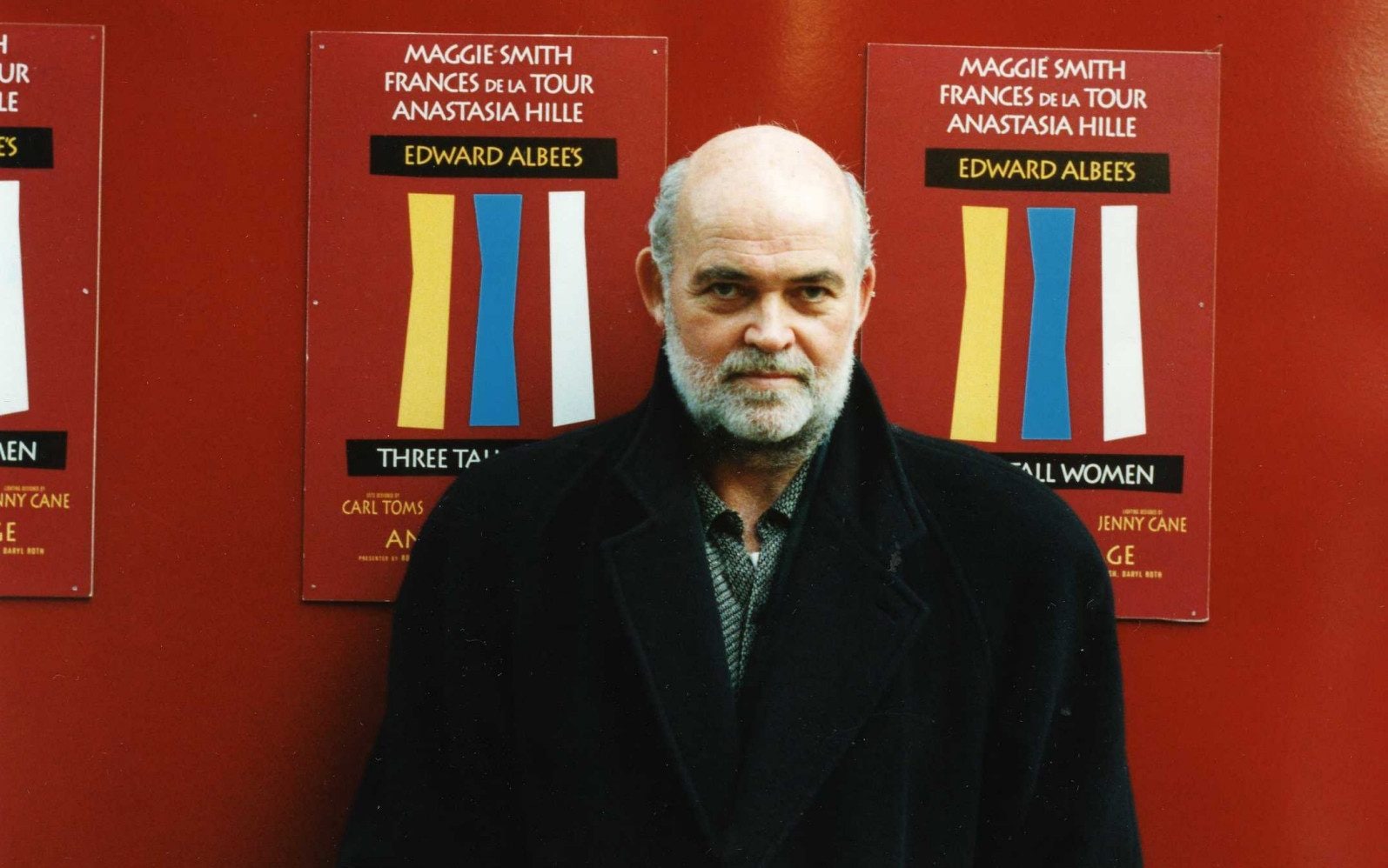
Anthony Page: he directed many of John Osborne’s plays, but was later incensed by Osborne’s memoirs and their ‘stress on my shiftiness, waffling, dislikeability, incompetence and greed’ - Jason Bell
Anthony Page, who has died aged 90, was a wide-ranging stage and film director who made his name at the Royal Court Theatre in the 1960s during its zenith as London’s most controversial crucible for radical drama.
Admired for his gift of knowing how to draw better performances from actors – whether famous or obscure – than they believed themselves capable of giving, Page was lost to the theatre for much of the middle of his career, having relocated to the United States to direct television movies of questionable merit. But the money they made him subsidised a long and glorious Indian summer on the stage.
His return to the theatre after a long spell in film and television began in 1994 when he seized his chance to take over a production of Edward Albee’s Three Tall Women (Wyndham’s), after the original director, Karel Reisz, fell out with the show’s imperious leading lady, Dame Maggie Smith.
Page, whose genial manner concealed a core of steel (one of his nicknames in the theatre was the “iron butterfly”), recalled that he “pestered” the producers to let him take charge: “If I hadn’t behaved quite vulgarly and aggressively over it, I would never have been brought in,” he told The Daily Telegraph’s Jasper Rees. His staging impressed Albee, who became a close friend, and Page went on to direct another half-dozen of his plays.
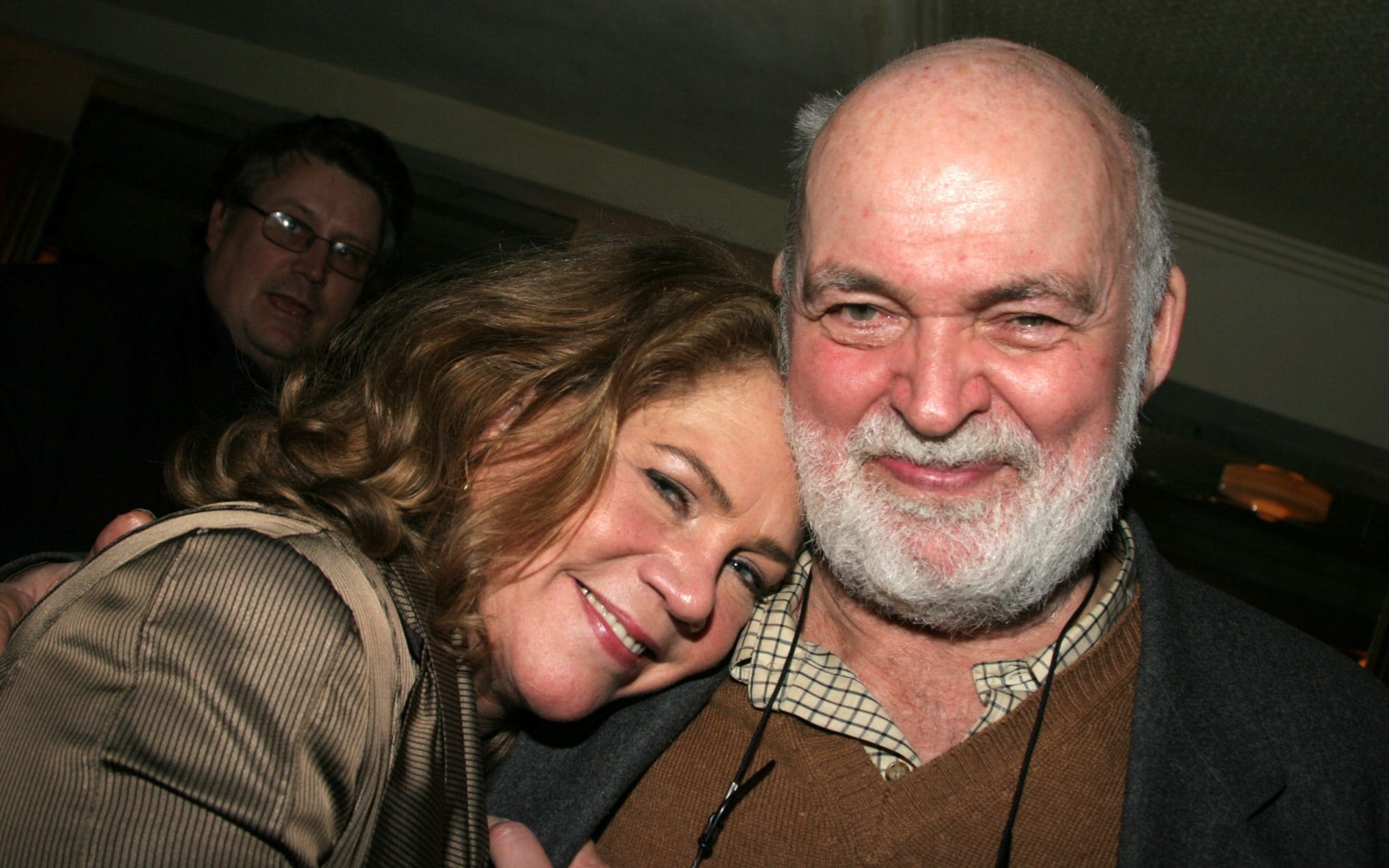
Page with Kathleen Turner, whom he directed in Who’s Afraid of Virginia Woolf? in London and New York - Bruce Glikas/FilmMagic/Getty
These included two more productions with Maggie Smith: A Delicate Balance at the Haymarket Theatre Royal in 1997 (The Telegraph’s theatre critic Charles Spencer did not think much of the text but judged that “Anthony Page’s attentive direction… flatters it magnificently”) and The Lady from Dubuque at the same venue a decade later.
“She is like a thoroughbred racehorse,” Page observed of Maggie Smith, adding that he had had to learn not to waste her time with praise. “She doesn’t want to know if things have gone well; only if they have gone badly or could have been better.”
Page also helped the film star Kathleen Turner to prove her theatrical worth as the drink-sodden Martha in a revival of Albee’s Who’s Afraid of Virginia Woolf? in New York and London (2005-06), and drew from Jonathan Pryce a splendid study of a man who falls in love with a goat in the British premiere of Albee’s The Goat, or Who Is Sylvia? (Almeida and Apollo, 2004).
“You could call it a marriage, I suppose,” Albee said of his long professional relationship with Page, praising his capacity for “translating a play from the page to the stage intact without doing any damage to it. He’s not interested in showing off.”
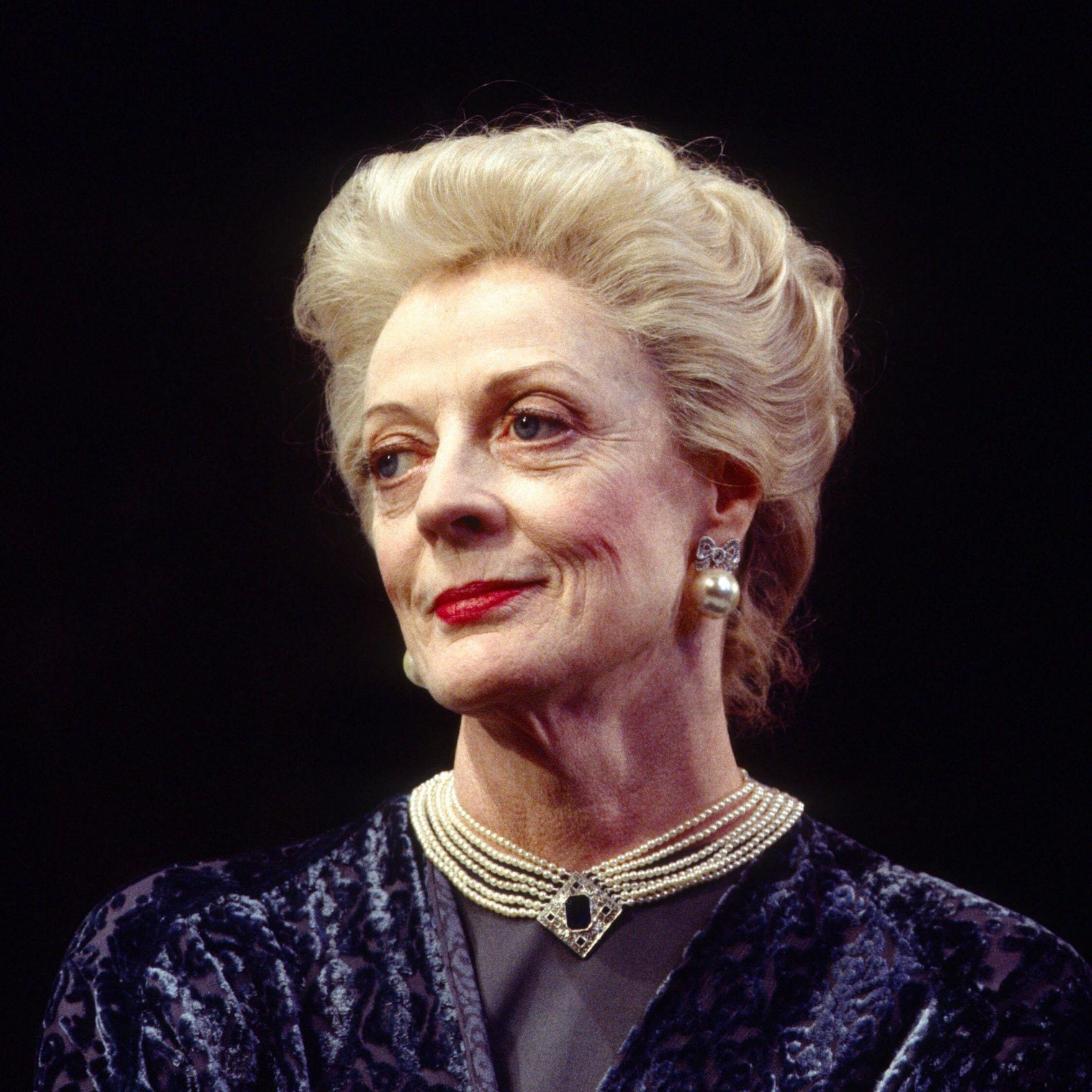
Maggie Smith in Page’s production of Albee’s Three Tall Women, 1994 - Donald Cooper/Alamy
Page’s understated approach could nevertheless blow the cobwebs off familiar classics. In 1997 he proved that A Doll’s House (Playhouse Theatre), Ibsen’s tale of marital woe, still had the power to shock, and guided Janet McTeer to one of the great performances of the decade as the apparently feather-brained but ultimately heroic Nora Helmer. Page won the Tony Award for best director when the production transferred to Broadway.
In 2009 he directed Nathan Lane and John Goodman in Samuel Beckett’s Waiting for Godot in New York, 43 years after he had worked with Beckett himself on a production at the Royal Court. And in 2012 he crowned his career when he directed David Suchet in Eugene O’Neill’s Long Day’s Journey into Night at the Apollo, a production that won the Olivier Award for Best Revival.
Anthony Frederick Montague Page was born in Bangalore, India, on September 21 1935, into a “sort of colonial family”: he was the son of Brigadier FGC Page DSO OBE and his wife Pearl, née Hall. Educated at Winchester College, he was always slightly embarrassed in later life at having been a public schoolboy, noting that he had got in “on a scholarship, which is the only mitigating factor”.
He began to direct undergraduate productions while reading English at Magdalen College, Oxford, and spent time in New York studying at the Neighborhood Playhouse theatre school under the celebrated Sanford Meisner, who taught him that actors “had to discover what was inside them, and not imitate anything else. I never direct without referring back to him.”
In New York he got to know Tony Richardson, who in 1958 recruited him to the English Stage Company, based at the Royal Court in Sloane Square. Page’s first solo credit as director there was a staging of Harold Pinter’s The Room in 1960, with Michael Caine in the cast.
Page and Richardson worked alongside other directors including William Gaskill, Peter Gill and the mercurial, autocratic Lindsay Anderson, under the English Stage Company’s founding artistic director, George Devine. With these towering egos competing, Page likened the Royal Court to “a snake pit”, although one colleague later noted that “the snakes were all friends and despite, or perhaps because of, the creative tensions, excellent work was being done.”
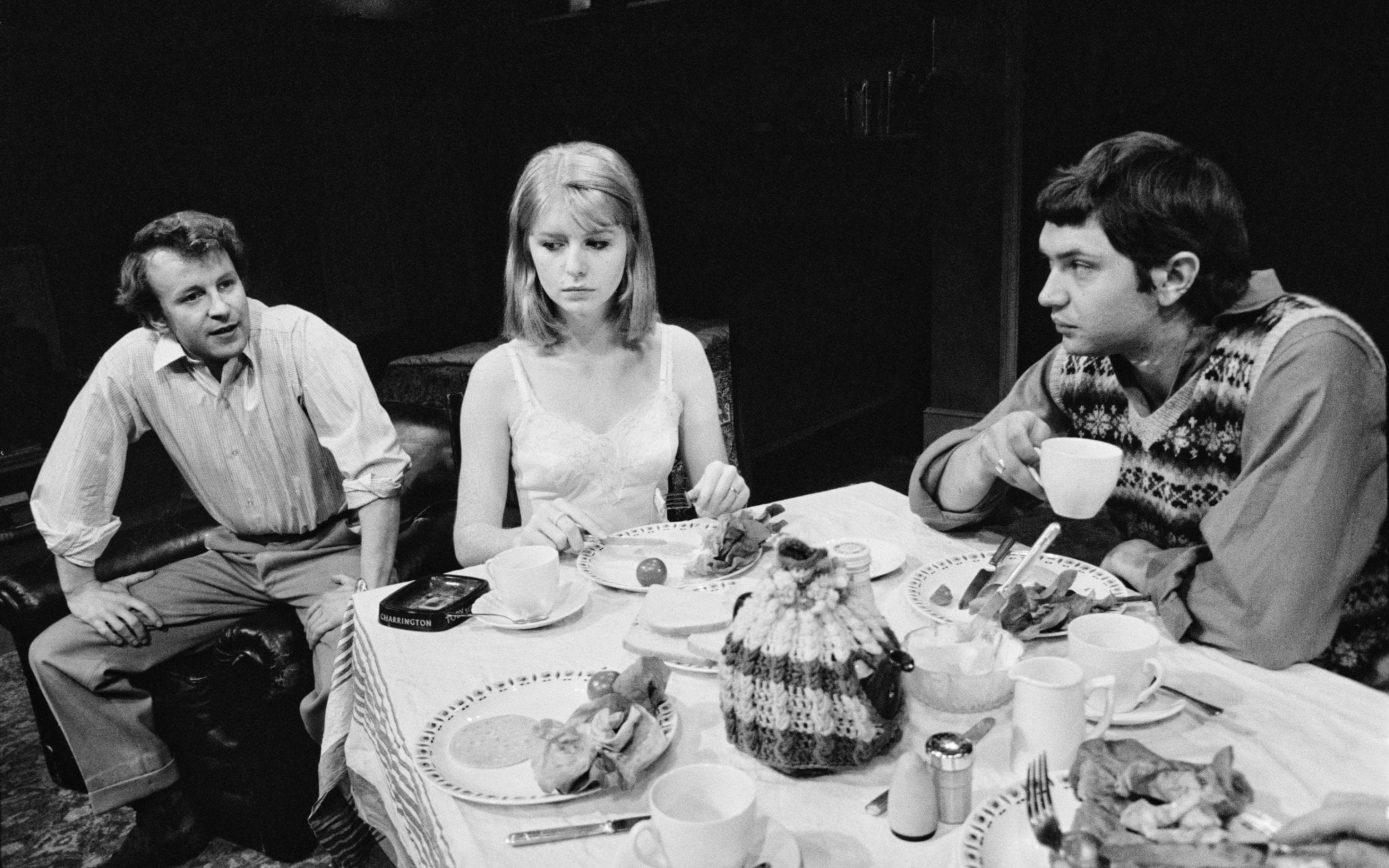
Victor Henry, Jane Asher and Martin Shaw in Page’s production of Look Back in Anger at the Royal Court, 1968 - Jim Gray/Keystone/Hulton Archive/Getty Images
In the early 1960s Page branched out to work with Dundee Rep (as artistic director) and the Royal Shakespeare Company, and also moved into television, directing episodes of the BBC’s Z Cars. But he continued to do his best work at the Royal Court, where he served two spells as artistic director between 1964 and 1972, initially in partnership with Lindsay Anderson (who, as it happened, had been born in the same hospital as him in Bangalore).
Advertisement
After Tony Richardson decamped to Hollywood, Page took over his role as chief nurturer of the angriest of the Royal Court’s young men, John Osborne. Nicol Williamson gave a star-making performance as the self-loathing solicitor in Page’s premiere of Osborne’s Inadmissible Evidence (1964); Page subsequently made his debut in the cinema as director of the 1968 film adaptation.
In 1965 the Lord Chamberlain’s Office denied the Royal Court a licence to stage A Patriot for Me, Osborne’s transgressive drama of espionage and homosexuality in late-19th-century Vienna. Page took the bold decision to change the status of the Royal Court, at considerable financial cost, from a public theatre to a private members’ club, thus placing it outside the remit of the censors: it was a defiant move that hastened the abolition of the Lord Chamberlain’s powers of censorship three years later.
The play, with its famous “drag ball”, was a riot of camp, although its director was annoyed that the emphatically heterosexual George Devine insisted on being cast as the fan-fluttering Baron von Epp: “You felt he’d got cricket pads on beneath the crinoline,” Page later complained. But he was devastated when Devine, the Royal Court’s spiritual father, suffered a heart attack during the run and died a few months later.
Page’s stagings served Osborne brilliantly: at one point in 1968, three Page productions of Osborne plays were running in the West End simultaneously. Osborne also acted in Page’s superb revival of Ben Travers’s venerable farce A Cuckoo in the Nest, alongside Alan Bennett and Arthur Lowe. “My dear Friend, You are quite amazing and staggering,” Osborne once wrote to Page. “You have revived my pleasure in the theatre.”
Decades later, however, Page received such a pummelling in Osborne’s memoir Almost a Gentleman (1991) that he wrote a long article in The Guardian complaining about the book’s “stress on my shiftiness, waffling, dislikeability, incompetence and greed”. He deduced that his mortal offence in Osborne’s eyes was to have remained friends with the playwright’s fourth wife, Jill Bennett, after their acrimonious divorce.
Page’s other successes at the Royal Court included Uncle Vanya with Paul Scofield (1970); Osborne’s West of Suez, starring Ralph Richardson (1971); Hedda Gabler, with Jill Bennett (1972); the premiere of David Storey’s verse play Cromwell (1973); and a Beckett double bill – Not I and Krapp’s Last Tape – with Billie Whitelaw and Albert Finney (1973). He also directed Alan Bates as Hamlet in the West End in 1971.
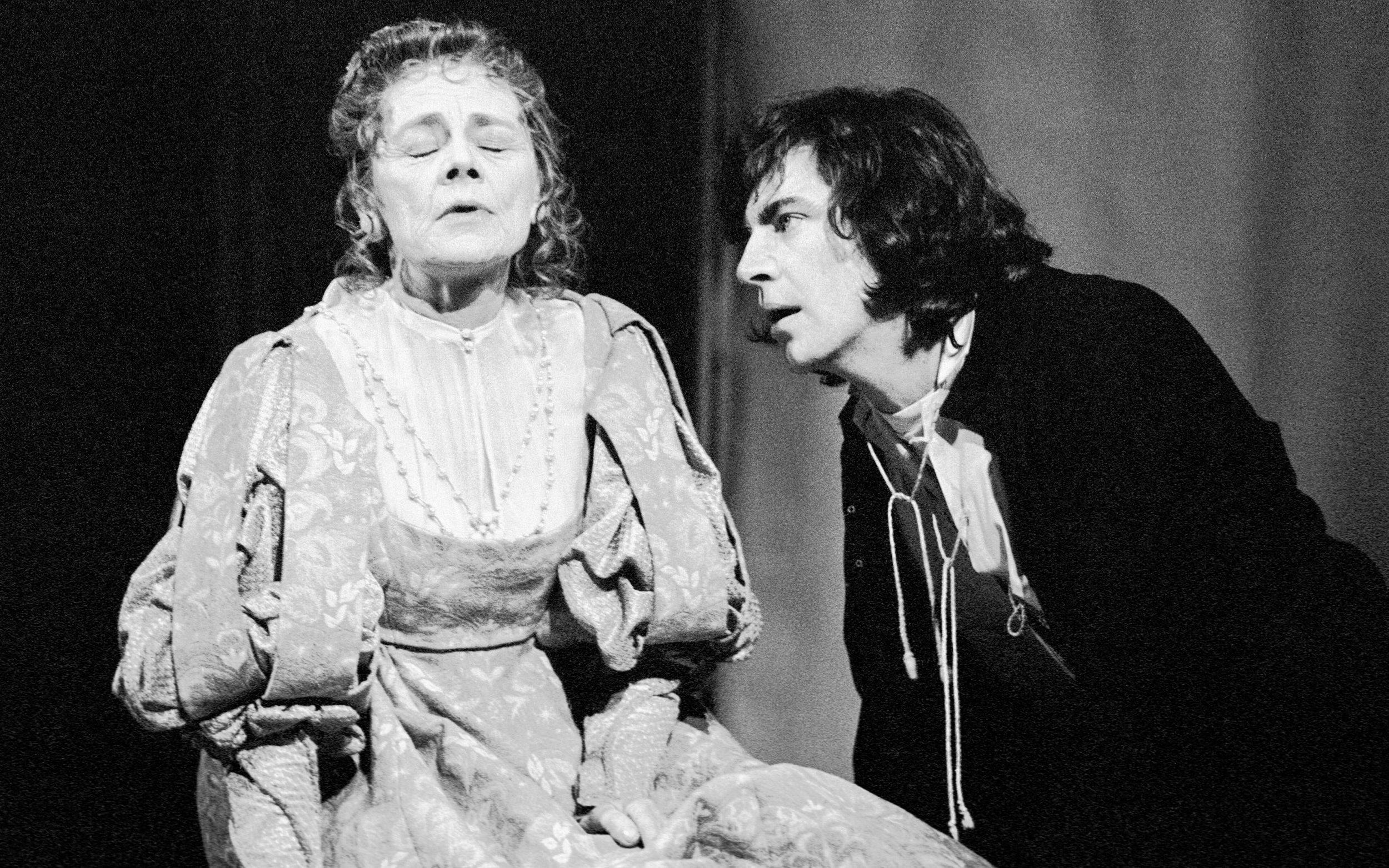
Celia Johnson as Gertrude and Alan Bates as Hamlet at the Cambridge Theatre, 1971 - Donald Cooper/Alamy
He was increasingly drawn to film, however. His cinema releases included I Never Promised You a Rose Garden (1977), with Kathleen Quinlan as a schizophrenic teenager, and Absolution (1978), a psychological thriller starring Richard Burton as a priest at a Catholic boarding school.
The Lady Vanishes (1979), starring Elliott Gould and Cybill Shepherd, was widely scorned as a superfluous rehash of Alfred Hitchcock’s version from four decades earlier, although as always with Page’s work the performances were excellent: Angela Lansbury made for a superb Miss Froy, and Arthur Lowe and Ian Carmichael held their own against the memory of Basil Radford and Naunton Wayne as the cricket-mad Charters and Caldicott.
In the 1980s Page moved to the United States where he won acclaim for his Broadway production of Shaw’s Heartbreak House (1984), with Rex Harrison as Captain Shotover. However, he devoted most of his time to what he later categorised as “freak of the week” television biopics.
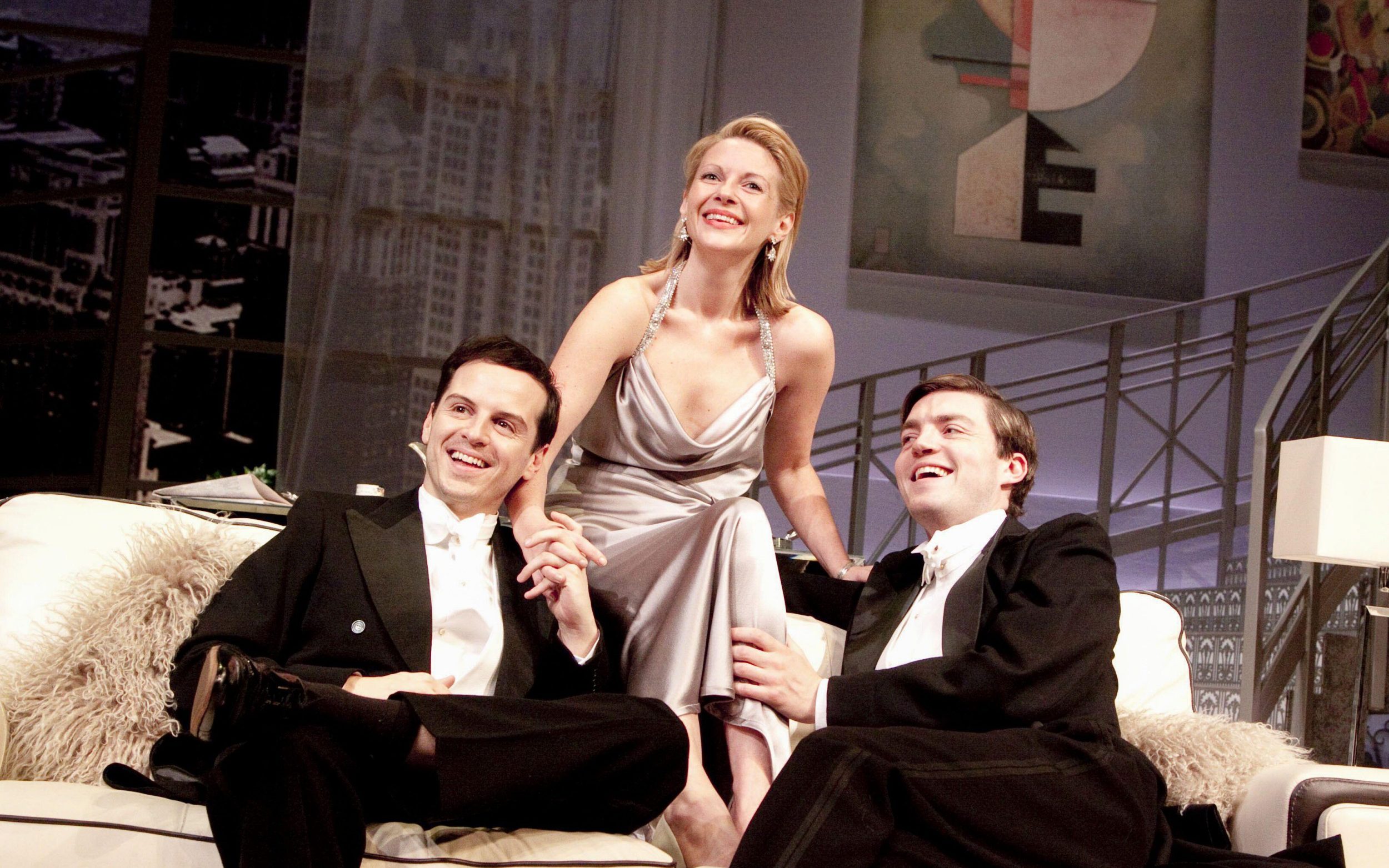
Andrew Scott, Lisa Dillon and Tom Burke in Page’s production of Noël Coward’s Design for Living at the Old Vic, 2010 - Donald Cooper/Alamy
These included Bill (1981), for which Mickey Rooney was garlanded with awards for his portrayal of the intellectually disabled Bill Sackter; The Patricia Neal Story (1981), with Glenda Jackson as the actress afflicted by a stroke and Dirk Bogarde as her husband Roald Dahl; and Second Serve (1986), starring Vanessa Redgrave as the transgender tennis player Renée Richards. There was also FDR: The Final Year (1980) with Jason Robards as Roosevelt, and The Grace Kelly Story (1984), starring Cheryl Ladd alongside Ian McShane as Prince Rainier.
A return to Britain inaugurated a more distinguished phase, beginning with a splendid BBC film of Rodney Ackland’s play Absolute Hell (1991), starring Judi Dench as a blowsy Soho club proprietress at the end of the Second World War; she reprised the role when Page revived the play at the National Theatre in 1995.
In 1994 Page directed an outstanding six-part dramatisation of Middlemarch for BBC Two, with Juliet Aubrey as Dorothea and Patrick Malahide as Casaubon; it proved hugely popular and was credited with launching a golden age of high-production-value television adaptations of the classics. During filming Page stayed in a separate hotel from the cast and crew so that he could devote all his spare time to reading George Eliot’s novel over and over; however, his determination to stay faithful to the book led to an uneasy working relationship with his more free-wheeling adaptor, Andrew Davies.
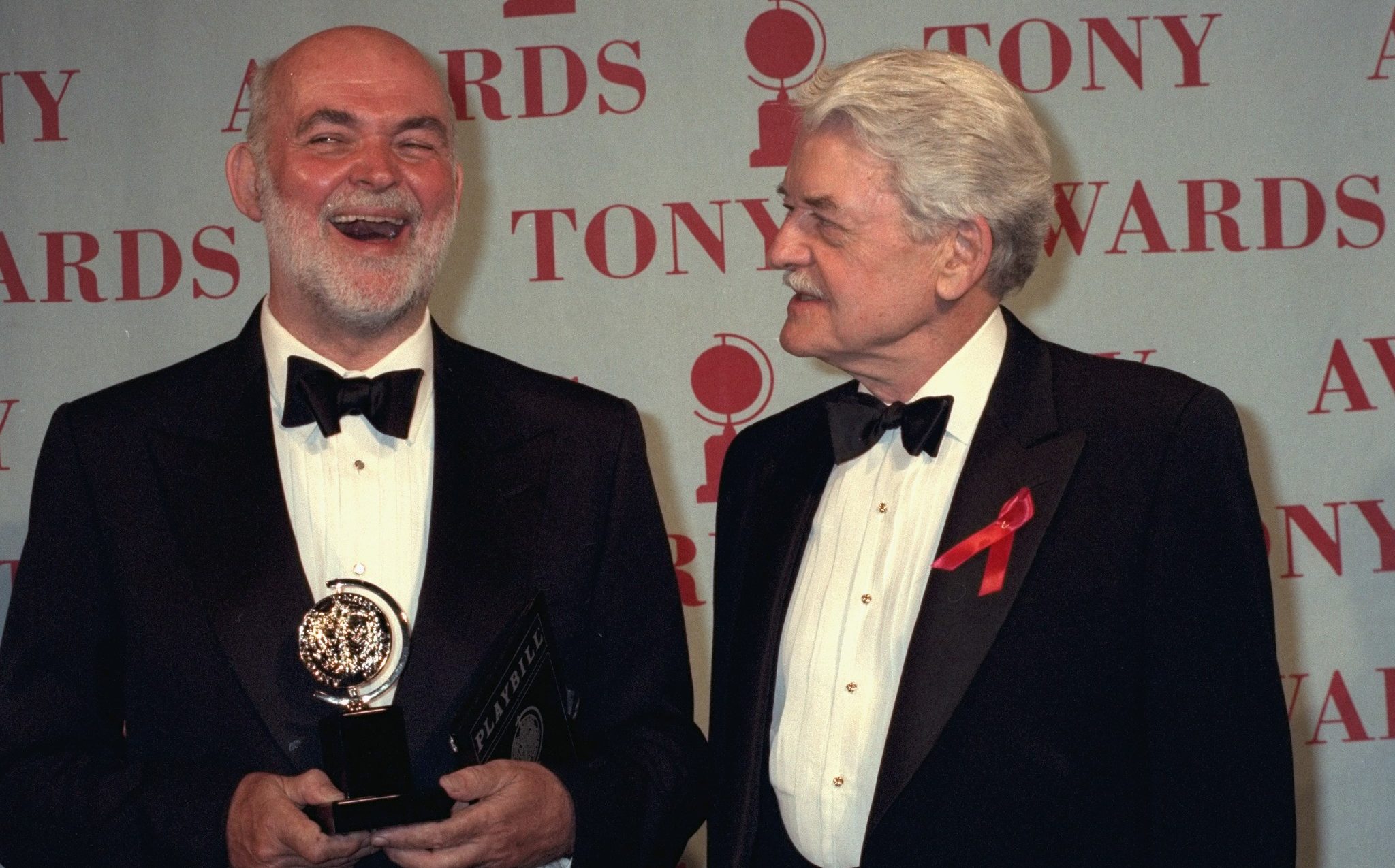
Page with his Tony Award for Best Direction of a Play, alongside actor Hal Holbrook - Richard Corkery/NY Daily News Archive via Getty Images
Page’s final film was David Hare’s BBC drama My Zinc Bed (2008), starring Paddy Considine and Uma Thurman.
Anthony Page is survived by his partner of more than 40 years, Ken Butler, whom he married in 2014.
Anthony Page, born September 21 1935, died September 11 2026
Source: “AOL Entertainment”
